When Does Pediatric Umbilical Hernia Require Surgical Treatment?
A Pediatric Umbilical Hernia Surgeon in Ghaziabad can check for a child’s umbilical hernia and help decide whether to monitor or treat it surgically. The pediatric umbilical hernia is prevalent among young ones and typically manifests as a soft bulge around the navel area. It appears when a child cries, coughs, or strains. In many cases, the opening gradually becomes smaller as the abdominal wall develops.
However, not every Pediatric Umbilical Hernia requires immediate surgery. The decision depends on the child’s age, hernia size, symptoms, and whether the hernia can be gently pushed back into the abdomen.
Want to talk directly with us on Click Now Whatsapp
What Is a Pediatric Umbilical Hernia?
An umbilical hernia develops when the umbilical ring fails to close completely after birth. A small amount of tissue or intestine can push through this opening, creating a visible bulge.
The swelling may become more noticeable when the child cries or strains and may reduce when the child relaxes. Most uncomplicated umbilical hernias do not cause significant pain.
A Pediatric Umbilical Hernia Surgeon in Ghaziabad can usually diagnose an umbilical hernia during a clinical examination. Imaging is often not required when the examination clearly indicates an umbilical hernia.
Does Every Pediatric Umbilical Hernia Need Surgery?
No. Many pediatric umbilical hernias close naturally as the child grows. The American Pediatric Surgical Association notes that most umbilical hernias close without surgery, while other pediatric surgical guidance commonly supports observation during the early childhood years when the hernia is uncomplicated.
Therefore, immediate surgery is usually not necessary simply because a child has an umbilical hernia.
Regular medical assessment can help monitor whether the opening is becoming smaller and whether any new symptoms develop.
When Is Pediatric Umbilical Hernia Surgery Recommended?
A Pediatric Umbilical Hernia Surgeon in Ghaziabad may recommend surgical repair when the hernia persists beyond the expected period of spontaneous closure or has features that make continued observation less appropriate.
Surgery may be considered when:
- The hernia remains present as the child gets older.
- The opening is large or does not appear to be decreasing.
- The hernia causes persistent symptoms.
- The swelling becomes difficult or impossible to push back.
- The hernia becomes painful, firm, or discoloured.
- There are signs of incarceration or another complication.
The exact timing should be decided after examining the child rather than based on age alone.
What Are the Warning Signs of an Incarcerated Hernia?
Although complications are uncommon, parents should know the warning signs. Meanwhile, an incarcerated hernia is characterized by a protrusion that cannot be pushed back into place
Seek prompt medical attention if the child develops a painful, firm, discoloured, or persistently protruding belly-button swelling, especially when it cannot be gently reduced. These symptoms require urgent medical assessment.
Parents should not attempt forceful pressure on a painful or stuck hernia.
How Is Pediatric Umbilical Hernia Diagnosed?
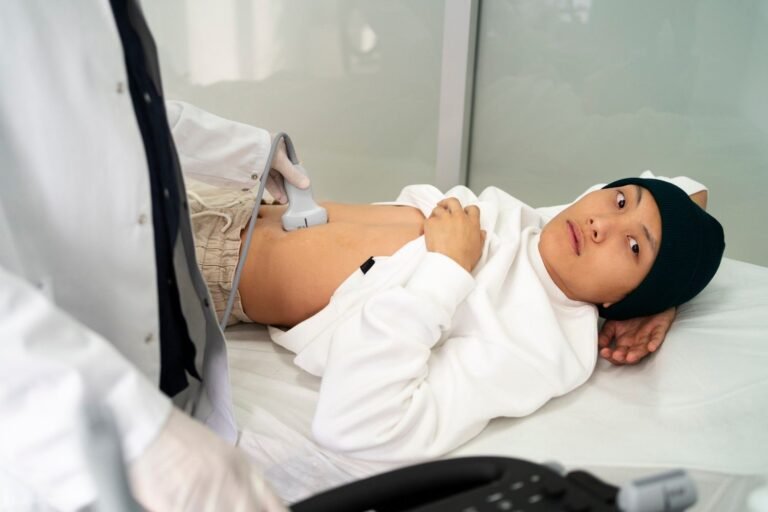
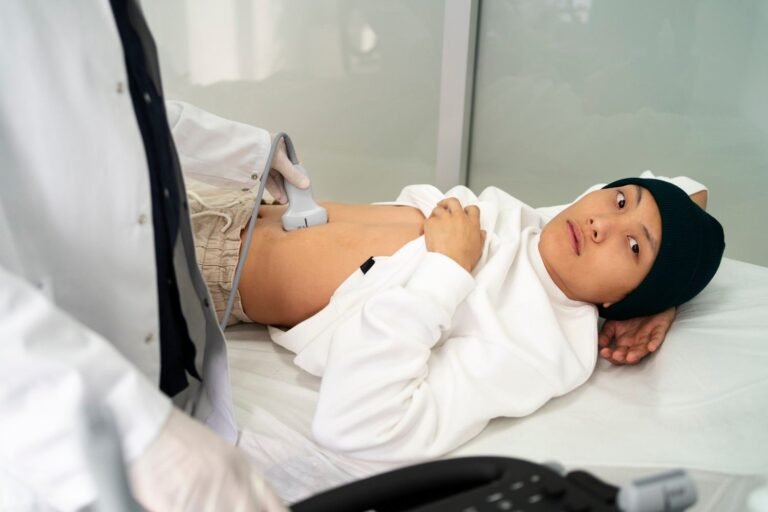
Diagnosis generally starts with a detailed medical history and physical examination. The surgeon assesses the location and size of the abdominal wall opening, the appearance of the swelling, and whether it can be reduced.
In straightforward cases, additional imaging may not be necessary. If the findings are unusual or another condition is suspected, the doctor may recommend further evaluation.
Discussing with a Pediatric Umbilical Hernia Surgeon in Ghaziabad can assist parents in determining whether their child’s hernia needs to be observed or surgically treated. A surgeon’s assessment helps establish whether a hernia requires monitoring or can be sutured.
What Happens During Umbilical Hernia Surgery?
When surgery is recommended, the objective is to close the opening in the abdominal wall and prevent abdominal contents from protruding through it again.
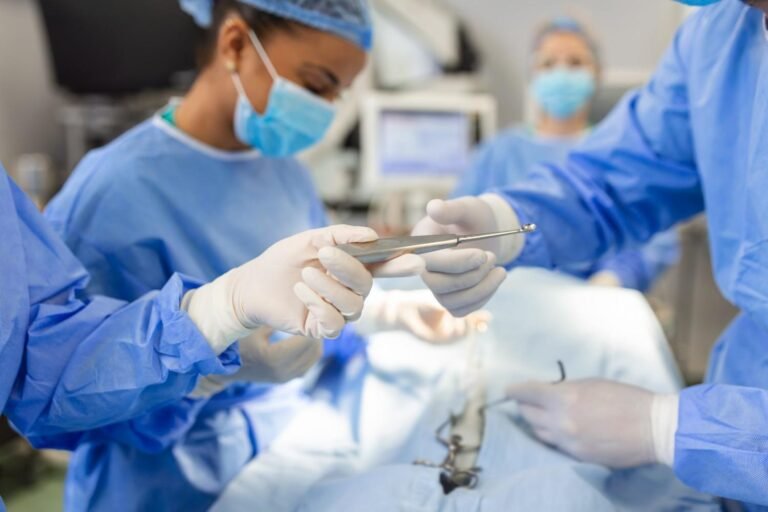
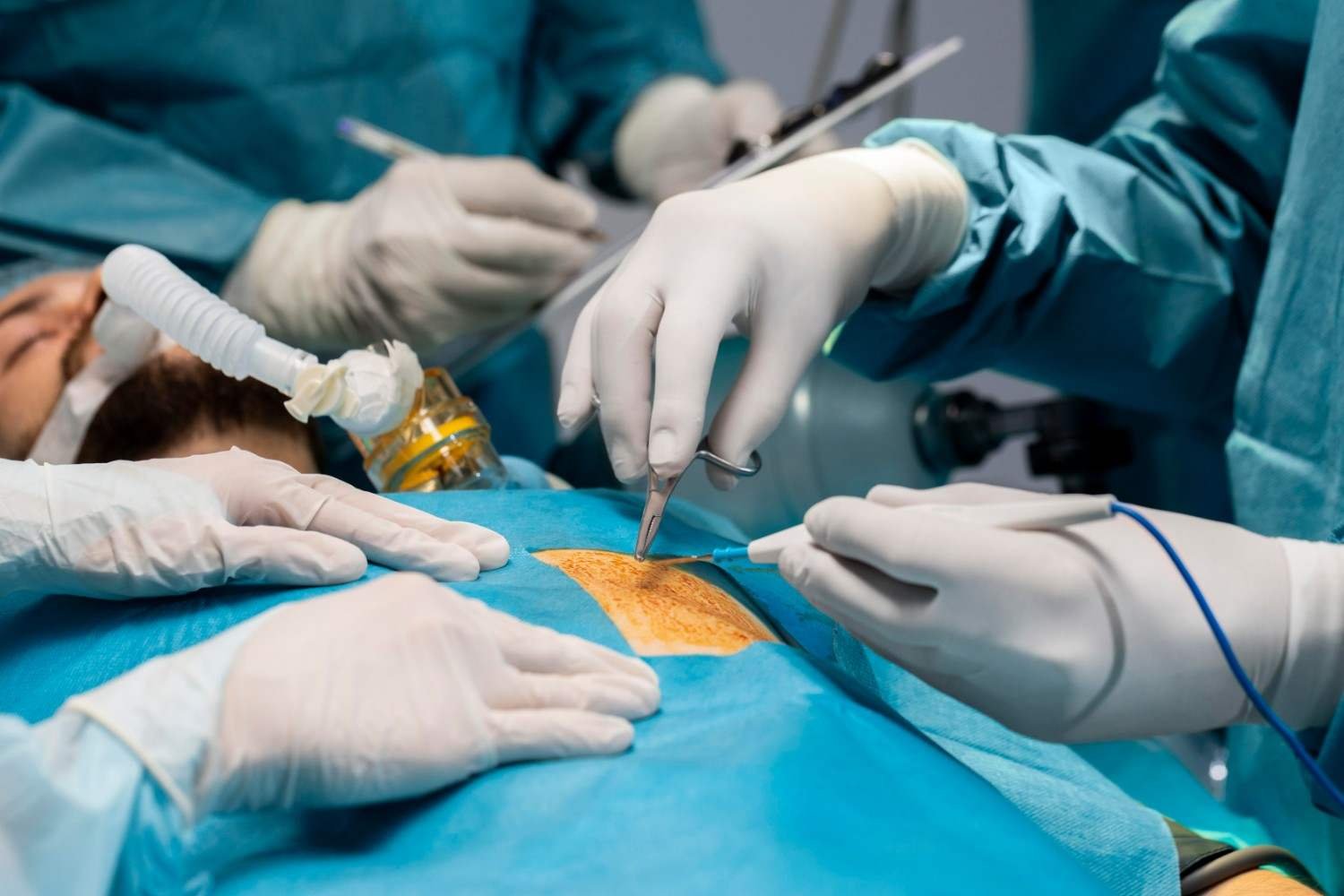
Pediatric umbilical hernia repair is generally performed under general anaesthesia. The surgeon makes an incision near the belly button, returns the protruding tissue to its proper position when necessary, and closes the abdominal wall defect with sutures. Many children can go home the same day, depending on their condition and the surgical team’s assessment.
The surgeon will provide specific instructions regarding wound care, activity, diet, and follow-up.
Why Choose a Pediatric Surgeon for Umbilical Hernia?
Children have different anatomical, anaesthetic, and recovery needs compared with adults. A pediatric surgeon evaluates the hernia according to the child’s age, development, symptoms, and overall health.
IA Pediatric Umbilical Hernia Surgeon in Ghaziabad can help ascertain whether the child’s umbilical hernia is monitored or repaired.
Conclusion
A Pediatric Umbilical Hernia does not automatically mean that surgery is required. Many uncomplicated cases close naturally during childhood. However, a persistent, large, symptomatic, or complicated hernia may require surgical evaluation.
Parents should arrange an assessment if the swelling changes, becomes painful, cannot be reduced, or remains present as the child grows. A Pediatric Umbilical Hernia Surgeon in Ghaziabad can examine your child and recommend an appropriate treatment plan based on individual findings.
Frequently Asked Questions
1. Can pediatric umbilical hernia close without surgery?
Yes. Many umbilical hernias in children close naturally as the abdominal wall develops. The timing varies between children, so regular medical assessment is important.
2. At what age does pediatric umbilical hernia need surgery?
There is no single age that applies to every child. Surgery may be considered when the hernia persists beyond the expected period of spontaneous closure or develops concerning features.
3. Is pediatric umbilical hernia painful?
Most uncomplicated umbilical hernias do not cause pain. Pain, firmness, discoloration, or a swelling that cannot be reduced can indicate a complication and requires prompt medical evaluation.
4. Does every child with an umbilical hernia need a pediatric surgeon?
Not necessarily. However, evaluation by a pediatric surgeon can help determine whether observation is appropriate or whether surgical treatment should be considered.
5. Is umbilical hernia surgery safe for children?
Pediatric umbilical hernia repair is a commonly performed procedure, but every operation has potential risks. The surgeon will discuss the expected benefits, risks, anaesthesia, and recovery based on the child’s individual condition.
For more information about Dr. Rachit Goel, visit https://share.google/07xjSUU46rc8HzAE3 to learn more about their services or to book an appointment.