Hypospadias in Children: Symptoms, Causes, Treatment & Recovery
Hypospadias is a common congenital condition in boys in which the opening of the urethra is located on the underside of the penis rather than at its tip. Parents looking for Hypospadias Surgery in Nehru Nagar should understand that the condition can vary from mild to more complex forms. Early evaluation by a qualified pediatric urologist can help determine whether surgery is needed and which treatment approach is most appropriate. Dr. Rachit Goel, Pediatric & Neonatal Surgeon and Pediatric Urologist at Yashoda Hospital, Nehru Nagar, Ghaziabad, provides specialized pediatric urology and reconstructive surgical care.
Want to talk directly with us on Click Now Whatsapp
What Is Hypospadias in Children?
Hypospadias develops before birth when the urethra and surrounding tissues do not form completely in the usual position. The urethral opening may be located near the head, along the shaft, or closer to the base of the penis.
Some children may also have a downward curve of the penis, known as chordee. The foreskin may appear incomplete, with more skin on the upper side than around the front. The urine stream can also spray or point downward depending on the location of the urethral opening.
Common Symptoms of Hypospadias
Hypospadias is often identified soon after birth. However, mild cases may sometimes be noticed later.
Common signs include:
- Urethral opening located below the tip of the penis
- Downward curvature of the penis
- Abnormally formed or hooded foreskin
- Urine stream that sprays or points downward
- Difficulty directing the urine stream in some cases
- Concerns about penile appearance
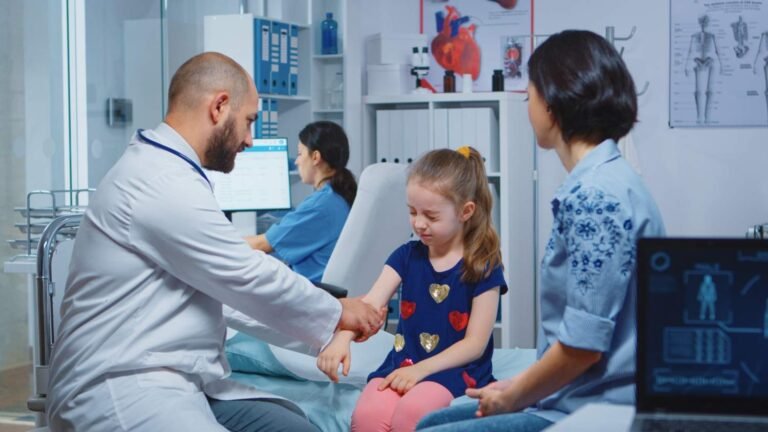
The severity of these symptoms depends on the type and location of hypospadias. A pediatric urologist can assess the condition through a physical examination and determine whether further evaluation is necessary.
What Causes Hypospadias?
Hypospadias is present at birth. In most children, the exact cause is not known. It occurs when the tissues involved in the development of the urethra and penis do not join normally during fetal development.
Genetic and hormonal factors may have a role in some cases. A family history of hypospadias may also increase the likelihood of the condition. However, parents should not blame themselves, as the condition generally cannot be attributed to anything a parent did during pregnancy.
When Is Hypospadias Surgery Needed?
Not every mild case necessarily requires surgery. The need for treatment depends on the position of the urethral opening, penile curvature, urinary function, and overall anatomy.
Surgery may be recommended when the urethral opening causes an abnormal urinary stream, when there is significant curvature, or when reconstruction is needed to improve function and appearance. The European Association of Urology notes that treatment aims to achieve good urinary function, correct significant curvature, create an adequately sized urethra, and achieve an acceptable cosmetic result.
For parents considering Hypospadias Surgery in Nehru Nagar, consultation with a pediatric urology specialist is an important first step. The surgeon can assess the severity and explain whether a single-stage or staged repair may be appropriate.
Hypospadias Surgery in Nehru Nagar: What Does the Procedure Involve?
The exact surgical technique depends on the type and severity of hypospadias.
The main objectives of Hypospadias Surgery in Nehru Nagar include:
- Correcting significant penile curvature.
- Reconstructing the urethra.
- Positioning the urinary opening closer to the tip of the penis.
- Providing suitable skin coverage.
- Achieving good urinary and cosmetic function.
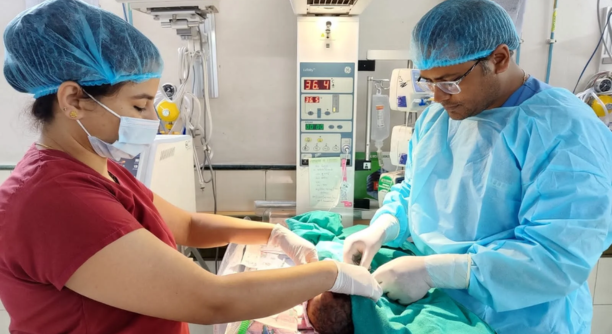
Many distal forms can be repaired in a single procedure, while more complex or proximal cases may require staged reconstruction. Pediatric urology guidelines generally place primary repair in infancy, commonly around 6–18 months, although the appropriate timing is individualized for every child.
Choosing the Best Hypospadias Surgeon in Nehru Nagar, Ghaziabad means parents should look for specialized pediatric surgical experience, appropriate facilities, and clear communication about the expected treatment and recovery.
Why Choose a Pediatric Specialist?
Children require different surgical planning and perioperative care compared with adults. A pediatric surgeon or pediatric urologist understands age-specific anatomy, anesthesia considerations, wound care, and the emotional needs of children.
Dr. Rachit Goel is a Pediatric & Neonatal Surgeon and Pediatric Urologist who provides pediatric urology and reconstructive surgery in Ghaziabad. His website states that he is currently associated with Yashoda Hospital and Research Centre, Nehru Nagar, Ghaziabad, and provides specialized care for infants, children, and adolescents.
Parents searching for the Best Hypospadias Surgeon in Nehru Nagar, Ghaziabad can discuss their child’s individual condition, surgical options, expected outcomes, and follow-up requirements during consultation.
Recovery After Hypospadias Surgery
Recovery varies according to the procedure and the child’s individual healing. After Hypospadias Surgery in Nehru Nagar, parents should carefully follow the surgeon’s instructions regarding medicines, dressings, activity, bathing, and urinary care.
A temporary urinary catheter or stent may be used in some cases to protect the reconstructed urethra while it heals. The duration varies depending on the surgical technique and the surgeon’s protocol.
Parents should contact the surgical team if they notice significant bleeding, fever, increasing swelling, difficulty passing urine, unusual discharge, or other concerning symptoms.
Most children recover well with appropriate postoperative care. However, complications such as urethral fistula, narrowing of the urethra, wound-healing problems, or recurrent curvature can occasionally occur. Long-term follow-up may be advised to monitor urinary function and development as the child grows.
How to Choose the Best Hypospadias Surgeon in Nehru Nagar, Ghaziabad
Selecting the right specialist is an important decision for parents. Consider the surgeon’s pediatric surgical qualifications, experience in pediatric urology and reconstructive procedures, hospital facilities, and approach to follow-up care.
The Best Hypospadias Surgeon in Nehru Nagar, Ghaziabad, should also explain the child’s condition in simple language and discuss the expected benefits, possible risks, surgical technique, and recovery process.
A detailed consultation helps parents understand whether Hypospadias Surgery in Nehru Nagar is required and what treatment plan is suitable for their child.
Strong Conclusion
Hypospadias is a treatable congenital condition, and early specialist assessment can help parents make informed decisions about their child’s care. Treatment depends on the location of the urethral opening, penile curvature, urinary function, and overall anatomy.
For families considering Hypospadias Surgery in Nehru Nagar, choosing a pediatric specialist with expertise in pediatric urology and reconstructive surgery can support safe and individualized treatment. Dr. Rachit Goel provides pediatric surgical and pediatric urology care at Yashoda Hospital, Nehru Nagar, Ghaziabad. Parents can seek a professional evaluation to understand their child’s condition and the most suitable treatment options.
With appropriate diagnosis, carefully planned surgery when indicated, and regular follow-up, many children with hypospadias can achieve good urinary function and satisfactory long-term outcomes.
Frequently Asked Questions
1. What is hypospadias in children?
Hypospadias is a congenital condition in which the opening of the urethra is located on the underside of the penis instead of at the tip.
2. Does every child with hypospadias need surgery?
No. Very mild cases may not require surgical correction. The decision depends on the location of the opening, penile curvature, urinary function, and individual anatomy.
3. What is the usual age for hypospadias surgery?
Primary hypospadias repair is commonly performed during infancy, often between 6 and 18 months, although the timing depends on the child’s condition and the surgeon’s assessment.
4. Is hypospadias surgery safe for children?
Hypospadias repair is a commonly performed pediatric reconstructive procedure. As with any surgery, there are potential risks, so parents should discuss the expected benefits and possible complications with their pediatric surgeon.
5. How long does recovery take after hypospadias surgery?
Recovery varies according to the procedure and the child. Many children heal well over the following weeks, but the exact recovery period and activity restrictions should be determined by the treating surgeon.
6. When should parents consult a pediatric urologist?
Parents should seek specialist evaluation when hypospadias is identified at birth or whenever they notice an abnormally positioned urinary opening, significant penile curvature, or an unusual urinary stream.