What Conditions Require a Consultation With a Pediatric Surgeon in Nehru Nagar III, Ghaziabad?
Introduction
Children may sometimes develop medical conditions that require specialised surgical attention. Some problems are present from birth, while others develop during infancy or childhood. Recognising unusual symptoms and seeking timely medical advice can help parents make informed decisions. Consulting a Pediatric Surgeon in Nehru Nagar III can help identify childhood surgical conditions and determine the most appropriate treatment.
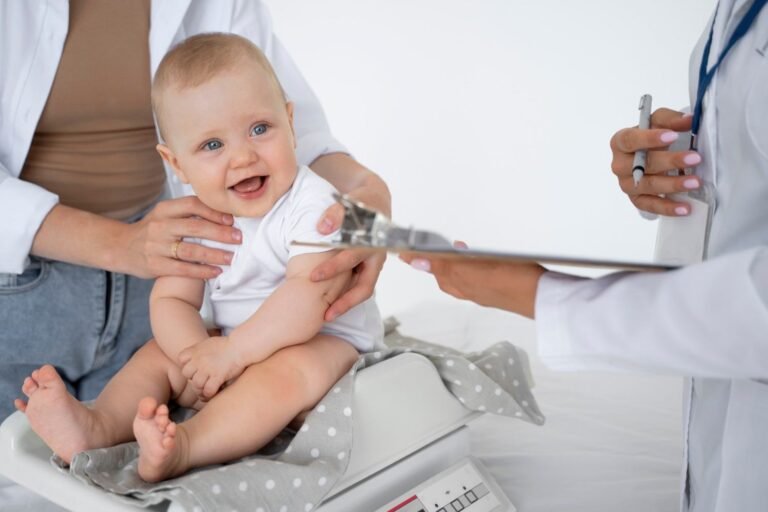
Paediatric surgery focuses on diagnosing and treating surgical problems in newborns, infants and children. Since children have different anatomical and developmental needs from adults, their surgical care requires specialised knowledge and an age-appropriate approach.
Understanding common childhood surgical conditions can help parents recognise warning signs and know when to seek professional evaluation.
Want to talk directly with us on Click Now Whatsapp
What Does a Pediatric Surgeon Treat?
A paediatric surgeon specialises in surgical conditions affecting children, from newborn babies to adolescents. These conditions may involve the abdomen, digestive system, chest, abdominal wall and other body structures.
Some common conditions managed by paediatric surgeons include:
- Inguinal and umbilical hernias.
- Appendicitis.
- Undescended testicles.
- Hydrocele.
- Intestinal obstruction.
- Congenital abnormalities.
- Cysts and lumps.
- Certain paediatric gastrointestinal conditions.
Not every condition requires an operation. Treatment depends on the child’s symptoms, age, diagnosis and overall health.
Common Conditions That Require a Pediatric Surgeon in Nehru Nagar III
Parents should understand some common childhood conditions that may require specialised surgical assessment.
1. Inguinal and Umbilical Hernia
A hernia develops when tissue pushes through a weak area in the surrounding muscle or abdominal wall.
An inguinal hernia usually appears as a swelling in the groin area. An umbilical hernia appears near the belly button.
Parents may notice that the swelling becomes more visible when the child cries, coughs or strains.
A paediatric surgeon evaluates the hernia and recommends suitable management. Inguinal hernias in children generally require surgical repair because of the risk of complications.
2. Appendicitis in Children
Appendicitis occurs when the appendix becomes inflamed. It can affect children of different ages and may require urgent medical attention.
Common symptoms include:
- Pain around the belly button that may move to the lower right abdomen.
- Nausea or vomiting.
- Loss of appetite.
- Fever.
- Abdominal tenderness.
Appendicitis can worsen if treatment is delayed. Parents should seek urgent medical evaluation if their child develops severe or increasing abdominal pain.
3. Undescended Testicles
Undescended testicles occur when one or both testicles do not move into the scrotum before birth.
This condition is commonly identified during newborn examinations. In some babies, the testicle may descend naturally during the first few months.
However, if it remains undescended, specialist evaluation is important. Surgery may be recommended during infancy to reduce potential long-term complications.
4. Hydrocele in Children
A hydrocele occurs when fluid collects around a testicle, causing swelling in the scrotum.
It is relatively common in newborn boys. Some hydroceles resolve naturally during the first year of life.
However, persistent swelling or changes in its size should be evaluated by a specialist. A paediatric surgeon can determine whether observation or surgical treatment is appropriate.
5. Intestinal Obstruction
Intestinal obstruction occurs when the normal movement of food and digestive contents through the intestine becomes blocked.
In children, symptoms may include:
- Repeated vomiting.
- Abdominal swelling.
- Severe abdominal pain.
- Constipation or difficulty passing stool.
- Reduced appetite.
In newborns, green-coloured vomiting can be a warning sign of intestinal obstruction and requires urgent medical assessment.
Early diagnosis is important because some causes of intestinal obstruction require emergency treatment.
6. Congenital Surgical Conditions
Some children are born with structural abnormalities that may require surgical treatment.
Examples include:
- Anorectal malformations.
- Congenital diaphragmatic hernia.
- Gastroschisis.
- Omphalocele.
- Certain intestinal abnormalities.
These conditions may be detected during pregnancy or after birth. Treatment depends on the specific diagnosis and the child’s overall health.
Warning Signs Parents Should Never Ignore
Children may find it difficult to explain what they are experiencing. Therefore, parents should observe changes in behaviour, eating habits and physical health.
Consider medical evaluation if your child experiences:
- Persistent or worsening abdominal pain.
- Unusual swelling in the groin or abdomen.
- Repeated vomiting.
- Difficulty passing stool.
- Painful swelling around the testicles.
- A lump that increases in size.
- Sudden changes in feeding or appetite.
Severe abdominal pain, green vomiting, a painful non-reducible hernia or a child who appears seriously unwell requires immediate medical attention. Do not wait for a routine appointment.
Why Is Early Diagnosis Important in Pediatric Surgery?
Early diagnosis helps identify the cause of a child’s symptoms and reduces the risk of complications.
Children may show different symptoms from adults. Some conditions can also progress quickly, making timely assessment important.
Early evaluation helps doctors:
- Identify underlying surgical conditions.
- Understand the severity of the problem.
- Recommend appropriate investigations.
- Decide whether surgery is necessary.
- Plan treatment according to the child’s age and health.
- Monitor recovery and long-term development.
A consultation with a Pediatric Surgeon in Nehru Nagar III can help parents understand the available treatment options and make informed healthcare decisions.
What Happens During a Pediatric Surgical Consultation?
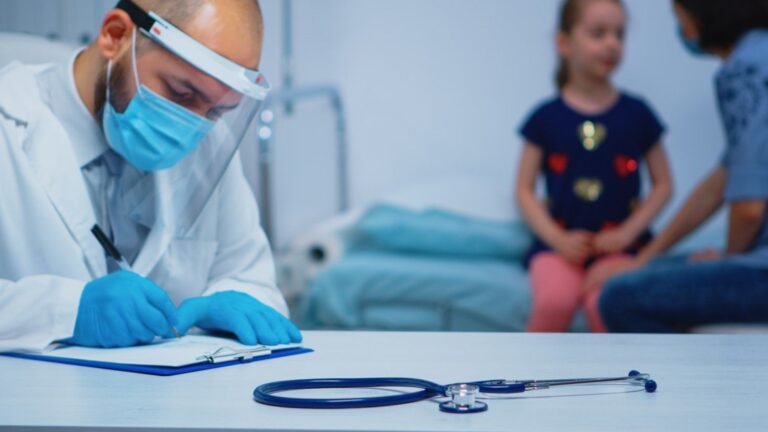
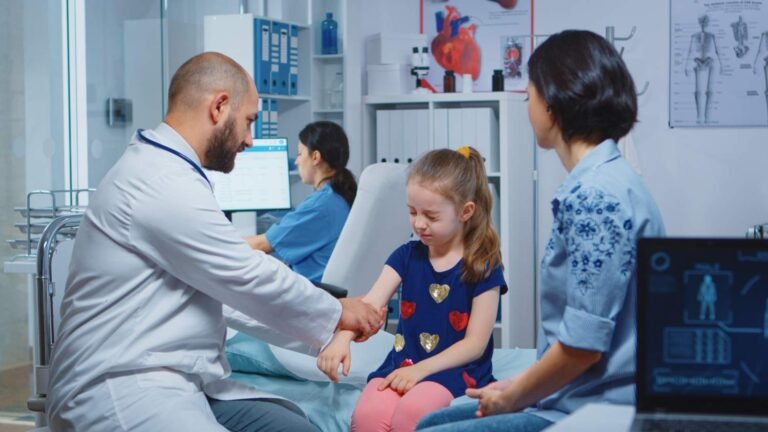
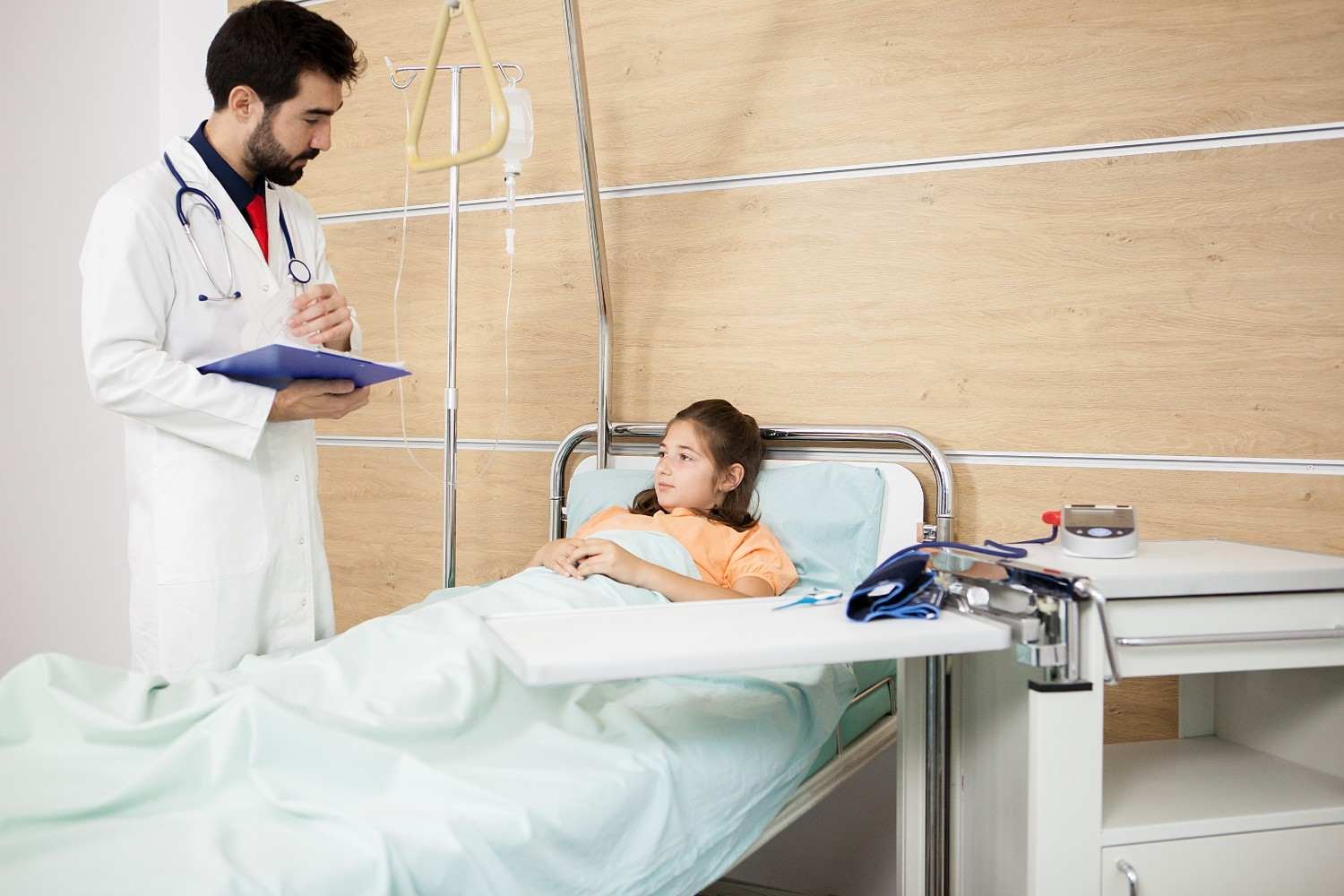
A paediatric surgical consultation usually begins with a detailed discussion about the child’s medical history and symptoms.
The doctor may ask about when the symptoms started, how frequently they occur and whether they affect eating, sleeping or daily activities.
The evaluation may include:
Medical History: Reviewing birth details, previous illnesses, treatments and current symptoms.
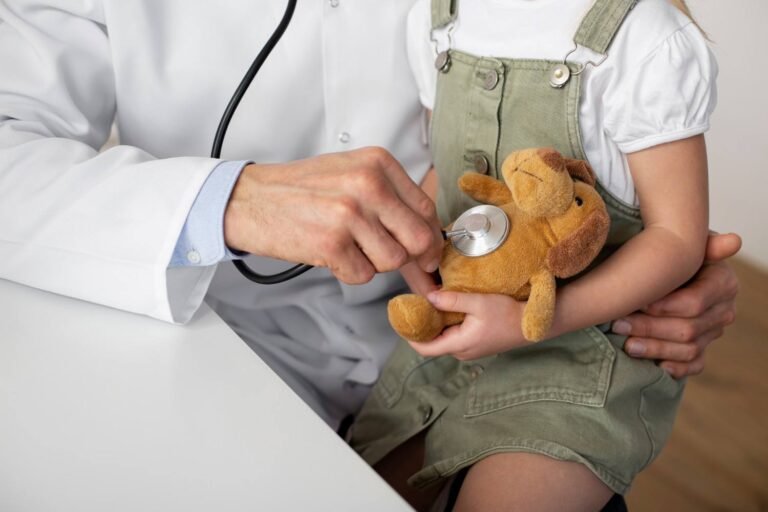
Physical Examination: Checking the affected area and assessing the child’s general health.
Diagnostic Tests: Depending on the suspected condition, investigations may include ultrasound, X-rays or blood tests.
Treatment Planning: Explaining whether observation, medication or surgery is required.
Follow-Up: Monitoring the child’s recovery and addressing any concerns after treatment.
Parents should feel comfortable discussing their concerns and asking questions about the recommended treatment.
Choosing the Right Pediatric Surgeon in Nehru Nagar III
Choosing the right specialist is an important part of a child’s surgical journey. Parents should consider the doctor’s qualifications, experience in paediatric surgery and ability to manage age-specific surgical conditions.
A suitable healthcare facility should also have access to appropriate diagnostic services, paediatric anaesthesia and post-operative care.
Dr. Rachit Goel provides specialised surgical care for infants and children. Parents looking for a Pediatric Surgeon in Nehru Nagar III should seek an individualised assessment based on their child’s condition and medical requirements.
Conclusion
Childhood surgical conditions can range from common problems such as hernias and hydroceles to more complex congenital abnormalities. Recognising warning signs and seeking timely medical evaluation can help prevent complications and support better treatment planning.
Consulting a Pediatric Surgeon in Nehru Nagar III can help parents understand their child’s condition and explore suitable treatment options. With appropriate diagnosis, specialised surgical care and regular follow-up, children can receive support according to their individual healthcare needs.
Parents should never ignore persistent pain, unusual swelling or repeated vomiting. Timely medical attention is an important step towards protecting a child’s health.
Frequently Asked Questions (FAQs)
1. When should parents consult a paediatric surgeon?
Parents should consult a paediatric surgeon if their child has a suspected hernia, persistent abdominal pain, unusual swelling, undescended testicles or a congenital surgical condition.
2. What is the difference between a paediatric surgeon and a general surgeon?
A paediatric surgeon specialises in surgical conditions affecting newborns, infants and children. Their training focuses on the anatomical and developmental needs of younger patients.
3. Can hernias in children be treated without surgery?
Some umbilical hernias may close naturally as a child grows. However, inguinal hernias generally require surgical repair. A specialist can recommend the appropriate treatment.
4. Is appendicitis common in children?
Yes. Appendicitis can occur in children and adolescents. Abdominal pain, vomiting, fever and loss of appetite are common symptoms that require medical evaluation.
5. How can parents prepare for a paediatric surgical consultation?
Parents should bring previous medical reports, note the child’s symptoms and share details about their medical history and current medications.
For more information about Dr. Rachit Goel, visit https://share.google/07xjSUU46rc8HzAE3 to learn more about their services or to book an appointment.