What Is a Pediatric Hernia and How Is It Treated in Children?
Authored by Dr. Rachit Goel
A Pediatric Hernia Surgery in Indirapuram consultation can help parents understand why a child develops a hernia and when treatment may be necessary. A pediatric hernia occurs when tissue pushes through a weak area in the abdominal wall. It may appear as a visible lump around the groin, belly button, or scrotum. While some hernias may not cause immediate discomfort, others can require timely surgical treatment to prevent complications.
Want to talk directly with us on Click Now Whatsapp
What Is a Pediatric Hernia?
A hernia develops when part of the intestine or abdominal tissue pushes through an opening or weak spot in the abdominal muscles. In children, many hernias are related to openings that did not close completely during development before birth. An inguinal hernia is commonly seen in the groin, while an umbilical hernia appears around the belly button.
Parents may notice a small swelling that becomes more visible when the child cries, coughs, strains, or stands. It may become less noticeable when the child relaxes or lies down.
Common Types of Pediatric Hernia
The two commonly discussed types are inguinal hernia and umbilical hernia.
An inguinal hernia occurs in the groin and may extend toward the scrotum in boys. It is more common in boys and may be associated with premature birth. Unlike some umbilical hernias, an inguinal hernia generally does not close on its own and usually requires surgical repair.
An umbilical hernia develops near the belly button. Many small umbilical hernias in young children close naturally as the abdominal muscles develop. If the opening persists or causes problems, a surgeon may recommend repair.
What Are the Symptoms of Pediatric Hernia?
The symptoms can vary depending on the type and size of the hernia. Common signs include:
- A visible lump in the groin or around the belly button
- Swelling that becomes more prominent while crying or coughing
- A groin or scrotal bulge in boys
- Mild discomfort or tenderness
- A swelling that disappears when the child is relaxed
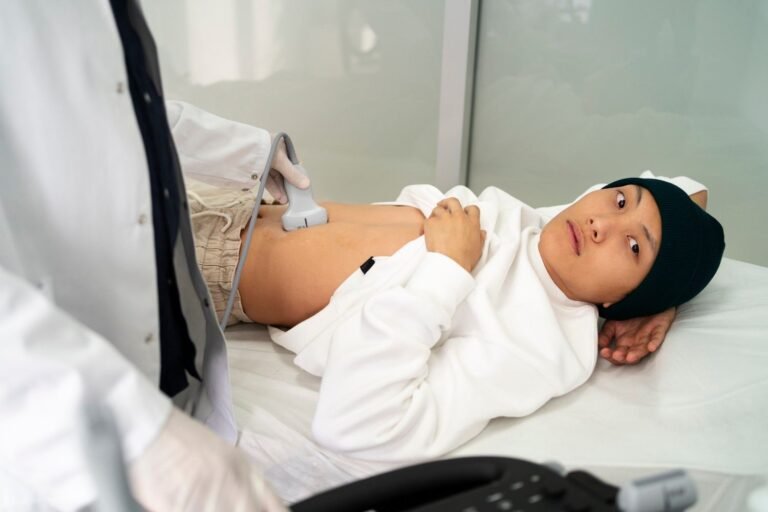
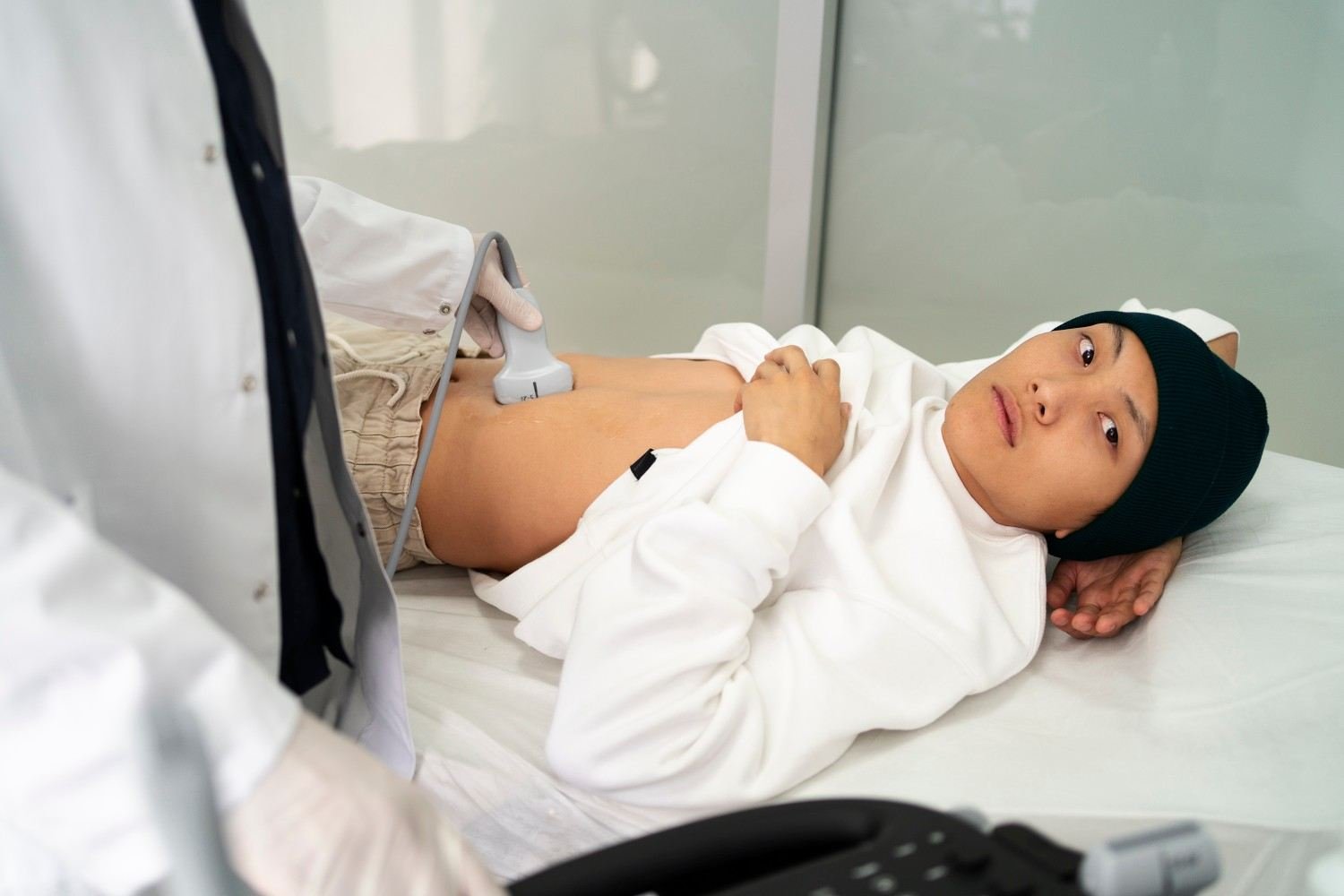
A pediatric surgeon should evaluate any new or persistent swelling. Early assessment can help determine whether observation or treatment is appropriate.
When Does a Child Need Hernia Surgery?
The need for surgery depends on the type of hernia, the child’s age, symptoms, and risk of complications. Inguinal hernias generally require repair because they can become incarcerated, meaning the hernia contents become trapped. If blood supply is compromised, strangulation can occur, and urgent treatment may be required.
Parents looking for Pediatric Hernia Surgery in Indirapuram should therefore seek a proper examination rather than relying only on the appearance of the swelling. A pediatric surgeon can assess the hernia and recommend the safest treatment approach.
How Is Pediatric Hernia Surgery Performed?
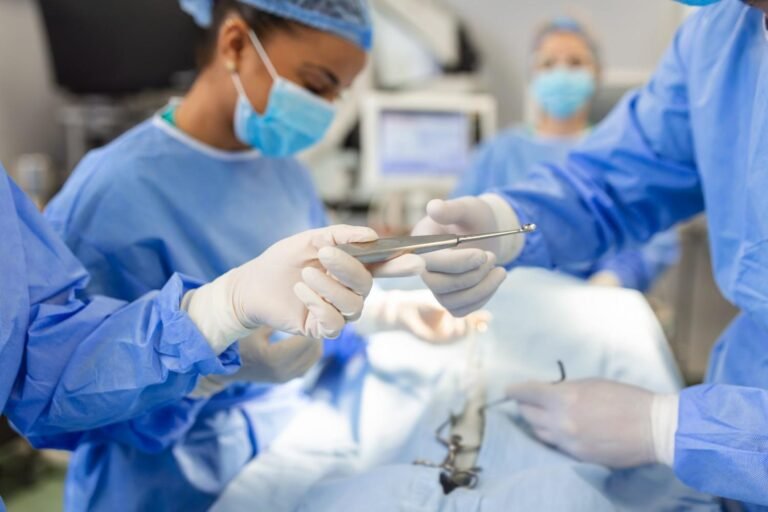
Pediatric hernia repair is usually performed under general anesthesia. Depending on the hernia and the child’s individual condition, the surgeon may use an open or laparoscopic approach.
In open repair, the surgeon makes a small incision near the hernia. The protruding tissue is returned to its appropriate position, and the opening is closed with sutures. Laparoscopic repair uses a small camera and specialized instruments through tiny incisions. The appropriate technique depends on the child’s age, hernia type, anatomy, and clinical condition.
Umbilical hernia repair generally involves a small incision near the belly button, followed by closure of the opening with stitches. Mesh is not usually required in children for routine umbilical hernia repair.
Why Choose a Pediatric Hernia Specialist?
Children require surgical care that considers their age, development, anatomy, and comfort. A Best Pediatric Hernia Surgeon in Indirapuram can evaluate the condition carefully and explain whether monitoring or surgery is appropriate.
Specialist pediatric surgical care is particularly important for infants and children with conditions that may increase operative risk. The American Academy of Pediatrics notes that pediatric surgeons receive specialized training for surgical problems in children.
Recovery After Pediatric Hernia Surgery
Most uncomplicated pediatric hernia repairs are performed as day-care procedures, allowing the child to return home after recovery from anesthesia. Some children, particularly certain premature infants, may require additional monitoring after surgery.
Recovery instructions vary according to the child’s procedure and overall health. Parents should follow the surgeon’s advice regarding bathing, physical activity, school, sports, wound care, and follow-up visits.
After surgery, mild swelling or discomfort may occur. However, report increasing pain, fever, redness, drainage, or other concerning symptoms to the treating medical team.
When Is Pediatric Hernia an Emergency?
A hernia that suddenly becomes painful, firm, swollen, red, or cannot be pushed back into the abdomen needs urgent medical assessment. Vomiting, abdominal swelling, or significant discomfort can also indicate a complication. An incarcerated or strangulated hernia may require emergency treatment.
Parents should not attempt forceful pressure on a painful or stuck hernia. Immediate medical evaluation is the safest approach.
Conclusion
A pediatric hernia is a common condition, but every child’s situation is different. Some umbilical hernias may close naturally, while inguinal hernias generally need surgical correction. Timely evaluation can help prevent complications and provide parents with a clear treatment plan.
If your child has a persistent groin or abdominal bulge, consulting a Best Pediatric Hernia Surgeon in Indirapuram can help identify the type of hernia and determine the most suitable treatment. With appropriate assessment and specialized surgical care, most children recover well and return to their normal activities.
For parents considering Pediatric Hernia Surgery in Indirapuram, an early consultation with a qualified pediatric surgeon can provide reassurance and help ensure that treatment is planned according to the child’s specific needs.
Frequently Asked Questions
1. What is the most common sign of a pediatric hernia?
A visible bulge or swelling in the groin, scrotum, or around the belly button is one of the most common signs. It may become more noticeable when a child cries, coughs, or strains.
2. Do all pediatric hernias require surgery?
Not necessarily. Some umbilical hernias may close naturally as a child grows. Inguinal hernias generally require surgical repair because they can become trapped and cause complications.
3. Is pediatric hernia surgery safe?
Pediatric hernia repair is a commonly performed procedure. The surgical plan and anesthesia are tailored to the child’s age, health, and type of hernia.
4. How long does recovery take after pediatric hernia surgery?
Many children can return home the same day after an uncomplicated repair. The exact recovery period depends on the procedure and the child’s individual condition.
5. When should parents seek urgent medical care?
Seek urgent medical attention if the hernia becomes painful, firm, red, swollen, or remains stuck outside the abdomen, especially if the child also has vomiting or significant discomfort.